

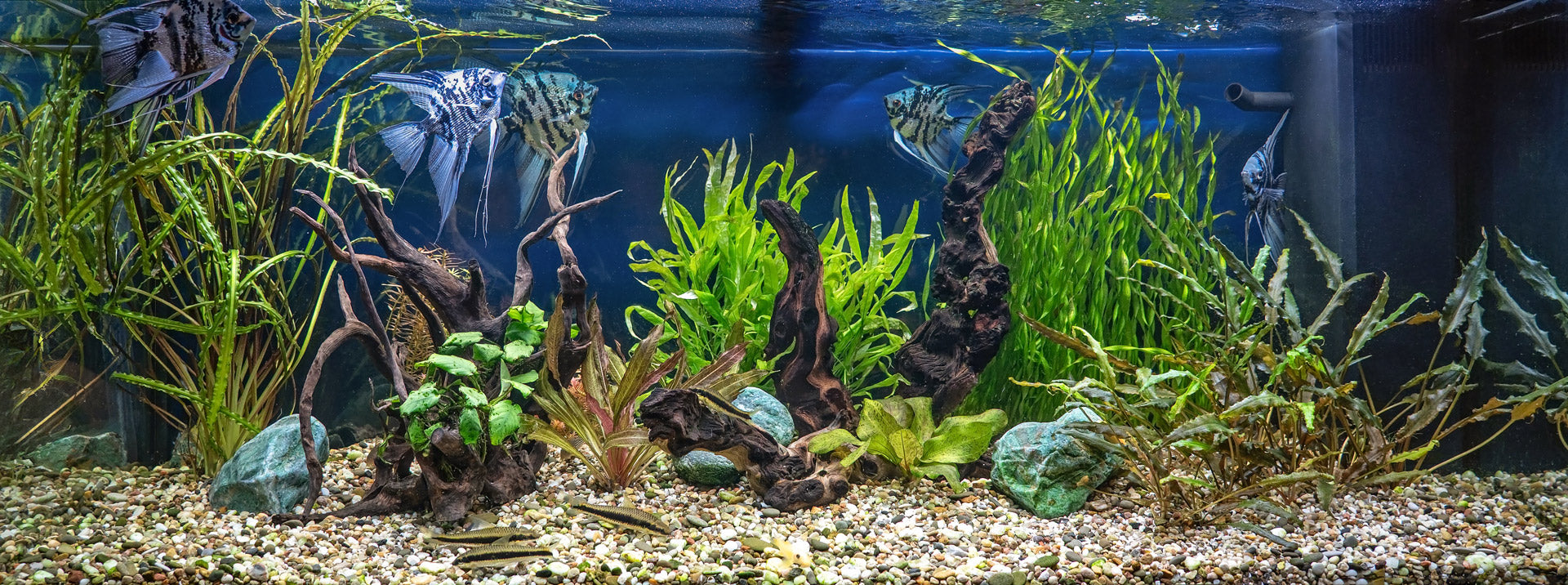
A better planted aquarium is not always a more complicated one.
Many hobbyists add more plants, more hardscape, more substrate, more equipment and more ideas, then wonder why the tank becomes harder to clean, harder to adjust and harder to understand.
The strongest planted tanks usually have a clearer structure. The plants have a reason to be where they are. The fish have cover and movement routes. The substrate or planting media is used where it has a job. The layout leaves enough access for routine care.
That is the kind of planted aquarium structure Habistax is built to support.
Habistax is a modular aquarium planting system designed to help create structured planted zones inside the aquarium. It can support rooted and attached plants, add height, create cover for fish and shrimp, and help hobbyists build a more organised planted setup without making the layout harder to manage.
These ten tips are not just beginner advice. They are practical decision points for anyone trying to build a planted aquarium that looks better, works better and remains realistic to look after.
1. Start with the job of the tank, not the plant list
Before choosing plants, decide what the aquarium needs to do.
A shrimp tank, a community tank, a low-tech planted display and a breeding or grow-out setup do not need the same structure. They may all use live plants, but the reason for those plants changes.
In a community tank, plants may be used to soften territories and create visual breaks. In a shrimp tank, plants and mosses may provide grazing surfaces and cover. In a low-tech display, plants may be chosen because they grow steadily without constant trimming.
This matters because the wrong starting point creates unnecessary work. If you build the tank around plant choice alone, you may end up with a layout that looks full for a few weeks but becomes difficult to clean, trim or balance over time.
Habistax fits best when the tank needs more structured planting, not just more plants. It gives the planted part of the aquarium a clearer role within the layout.
2. Choose plants by how they grow
A planted tank becomes easier to manage when you understand how different plants actually grow.
Root-feeding plants need a suitable root area. Rhizome plants such as Anubias and Java Fern should not have the rhizome buried. Mosses and epiphyte-style plants work well when attached to surfaces or positioned around structure. Floating plants can be useful, but they create a different effect from planted height inside the tank.
This is where many planted tanks become harder than they need to be. The plant may not be difficult. It may simply be in the wrong place or growing in the wrong way for that setup.
• Root feeders need a suitable root zone or contained planting area.
• Rhizome plants need attachment points rather than deep burial.
• Mosses need surface, texture and regular management.
• Floating plants need thinning so they do not block too much light.
Habistax can support mixed planting styles by creating contained growing areas and structure that plants can grow in and around. The point is not to force every plant into the same method. The point is to give each plant a more suitable place to establish.
3. Use substrate where it has a job
Substrate does not always need to cover the whole tank floor to be useful.
In many planted aquariums, substrate is treated as a full-base decision. The whole tank is sand, gravel, aquasoil or a mix of materials. That can work well, but it is not the only way to think about planting.
Habistax allows suitable planted substrate or planting media to be used inside the system, while gravel or sand substrate can be used for stability and finish depending on the setup. That creates a more contained root area without forcing every part of the aquarium floor to become a planted base.
This is especially useful in tanks where the existing floor is sand, inert gravel, bare bottom or already established. The question becomes less about replacing the whole substrate and more about creating the right planted zone where it is needed.
That is a stronger way to think about substrate. Use it intentionally, not automatically.
4. Build height before adding more clutter
A planted aquarium can look busy and still feel flat.
This happens when all the plants start at the same level. The foreground, midground and background may be different species, but the tank still lacks height through the water column. The usual response is to add more rock, more wood or more plants, but that can make the tank harder to clean without solving the real layout problem.
Height is not the same as clutter. A better planted tank often needs clearer vertical structure, not simply more material.
Habistax can help create planted height because plants can be positioned through a modular structure rather than only at substrate level. That gives the tank more depth and layering while keeping the planted area more controlled.
For smaller tanks, shallow tanks and layouts that already feel crowded at floor level, this can be a more practical way to build upward.
5. Leave space you can actually maintain
A tank that looks good but cannot be cleaned properly will become frustrating.
Maintenance access is one of the most overlooked parts of planted aquarium design. It is easy to focus on how the layout looks on day one and forget about the weekly reality of trimming, siphoning, wiping glass, moving around plants and reaching behind hardscape.
Good layout decisions leave access. That might mean keeping the front edge clear, avoiding dead zones behind hardscape, leaving space around filters and ensuring planted areas can be managed without pulling the whole tank apart.
Habistax does not remove maintenance. No aquarium product should promise that. Its value is that planted structure can be more contained and easier to work around than a layout that depends entirely on fixed hardscape and substrate-level planting.
The goal is not no maintenance. The goal is less avoidable disruption.
6. Think about fish cover, not only swimming space
Open water has value, but empty space is not always better.
Many aquarium fish and shrimp use structure. They move around plants, pause behind cover, graze on surfaces and use visual breaks within the tank. A layout with no cover can look clean, but it may not give livestock many usable places to move through or retreat into.
This does not mean the aquarium should be packed from end to end. Fish still need clear swimming room, and the right amount of cover depends on the species and stocking. The point is balance.
A planted structure can create cover at different levels rather than keeping all shelter at the base of the tank. Habistax can support this by adding planted zones through the water column, giving fish and shrimp more structure without turning the whole aquarium into a dense wall of plants.
That makes the tank feel more considered from a livestock point of view, not just a visual one.
7. Make one useful change at a time
Most planted tanks become harder to understand when too many things change at once.
A hobbyist changes the light, adds fertiliser, moves plants, adjusts flow, swaps hardscape and adds livestock. Then the tank reacts, and it becomes difficult to know which change helped or caused the issue.
A better approach is to make controlled changes and observe the tank before making the next decision.
With Habistax, the useful change is often structural. You can add a planted zone, adjust height or test plant placement without making the whole aquarium dependent on a full rescape. That gives you a clearer way to improve the layout while still watching how the tank responds.
Good planted tanks are not built through constant interference. They are built through thoughtful changes and enough time for the system to settle.
8. Keep light, plants and nutrients in proportion
A planted aquarium is easier to manage when light, plant growth, nutrients, filtration and maintenance are working together rather than fighting against each other.
Habistax is designed to work alongside your existing aquarium equipment, not separately from it.
It creates dedicated planting zones where suitable planted substrate or planting media can be used inside the system. This gives plant roots a more defined growing area, while the modular structure adds extra surface area that can support beneficial bacteria as part of the wider aquarium setup.
Its open, structured design also helps planted areas sit more clearly within the tank, making it easier to maintain flow and access around them.
Healthy plant growth can help compete for some of the nutrients algae uses to establish. Habistax should not be treated as a standalone algae fix, but it can support the conditions that make a planted aquarium easier to keep balanced.
When combined with appropriate lighting, filtration, fertilisation and routine maintenance, Habistax can support a healthier, more stable planted aquarium that is easier to understand and manage.
9. Use contained planting zones where the floor is not ideal
Not every tank floor is designed for planting.
Some aquariums use sand. Some use inert gravel. Some are bare bottom. Some are already established and should not be disturbed unnecessarily. In these situations, adding more plants through traditional substrate planting can be awkward.
A contained planting zone gives another option.
Instead of changing the whole base of the aquarium, you can create a defined area where plants have a better place to establish. Habistax is built for this kind of thinking. It lets the planted area sit inside the system rather than depending entirely on the existing tank floor.
That is useful for established aquariums, low-substrate setups and hobbyists who want more planting potential without rebuilding the tank from the bottom up.
10. Do not mistake simple for basic
A product can be easy to use and still have a serious purpose.
Habistax is designed to make planted aquarium structure easier to build, but that does not mean it is only for simple tanks. Newer fishkeepers can use it to make planted setups less intimidating. More experienced aquascapers can use it to refine height, test plant placement and create clearer planted zones.
The important difference is this: Habistax is not just a place to put a plant. It is a modular planting system that changes how plants, structure, cover and access can work together inside the aquarium.
That is why it belongs in a better planted aquarium conversation, not just a beginner accessory conversation.
Where Habistax fits into these ten tips
Habistax is not just a way to hold plants in place.
It is designed to support a more balanced planted aquarium by combining structured plant growth with additional biological media space, helping create more surface area for beneficial bacteria as part of the wider filtration system.
That matters because aquarium balance is not created by one thing. It comes from healthy plant growth, good water movement, effective filtration, sensible stocking, regular maintenance and a layout that gives fish and shrimp enough cover.
Habistax supports that process by giving plants a defined place to grow, helping you add height and structure through the tank, and creating more planted cover for fish and shrimp.
Healthy plant growth can help compete for some of the nutrients algae uses to establish. Habistax should not be treated as a standalone algae fix, but it can support the conditions that make a planted aquarium easier to keep balanced.
That is the real value.
Better plant structure. More natural cover. Added biological filtration support. A planted setup that is easier to build, understand and maintain.
Frequently Asked Questions
Is Habistax only for beginners?
No. Habistax is simple to use, but its value is not limited to beginner tanks. It can also help experienced hobbyists build height, create contained planted zones and refine layouts without relying only on fixed hardscape or full substrate planting.
Does Habistax mean I do not need substrate?
No. Habistax is not a no-substrate product. It allows suitable planted substrate or planting media to be used inside the system, with gravel or sand substrate used for stability and finish depending on the setup.
Can Habistax benefit fish and shrimp?
Habistax can help create planted cover and structure inside the aquarium. This can provide more shelter, movement routes and grazing surfaces depending on the plants, livestock and wider tank setup.
Is Habistax better than using rocks and wood?
Rocks and wood are still valuable aquascaping materials. Habistax is different because it is designed as a modular planting system, allowing plants, contained substrate areas and vertical structure to be built into the layout in a more controlled way.
Final Thoughts
A better planted aquarium is not built by adding everything at once.
It comes from better decisions: choosing the right plants, giving roots a suitable place to establish, building height without clutter, leaving maintenance access, and creating cover that makes the tank more usable for fish and shrimp.
Habistax is designed to support those decisions by giving hobbyists a clearer way to build planted structure inside the aquarium.
Build a planted tank that looks better, works better and stays easier to manage with Habistax.
Share:
How to Add Plants to an Existing Aquarium