

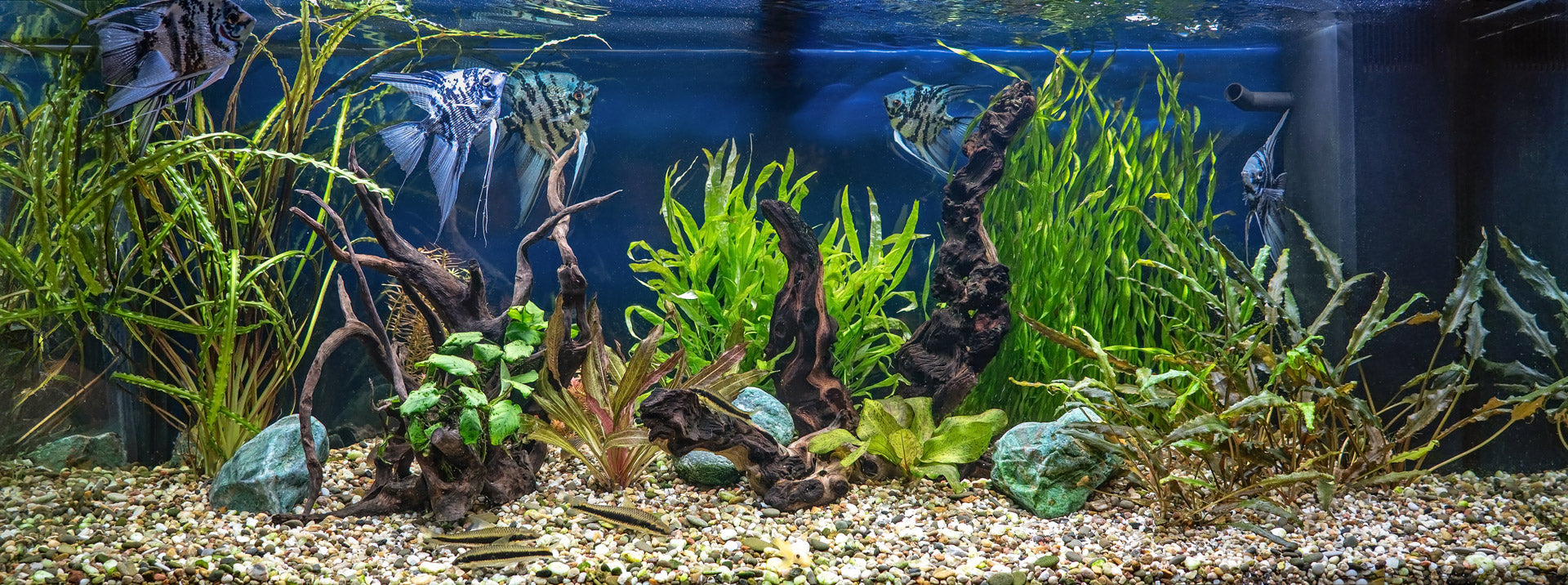
How to Reduce Maintenance in a Planted Aquarium
Planted aquariums are popular for good reason. They create a natural, visually rich environment that few other setups can match. But many hobbyists discover, often sooner than expected, that keeping a planted tank looking its best takes real effort. Plants need trimming, algae needs controlling, and layouts can gradually fall out of order.
The good news is that most of this extra work is avoidable. With the right setup from the start, a planted aquarium can be surprisingly straightforward to maintain. This guide explains why some tanks demand more time than others and how to design one that practically looks after itself.
What Maintenance Actually Involves
In a planted aquarium, maintenance covers the regular tasks needed to keep plants healthy and water conditions stable. This typically means trimming plant growth as it develops, cleaning algae from surfaces and glass, carrying out routine water changes, and occasionally repositioning plants as the layout evolves.
How much time all of this takes varies enormously from tank to tank, and the difference usually comes down to how the aquarium was set up in the first place.
Why Some Planted Tanks Require More Work
Most maintenance headaches trace back to the initial setup rather than the plants themselves.
Plants that are not securely anchored are a common culprit. When plants can shift, float free, or pull loose from the substrate, replanting becomes a recurring chore. Plants that are properly anchored from the start are far more likely to develop strong root systems and grow consistently without intervention.
A cluttered or unorganised layout creates its own problems. When plants are packed in without structure, even simple tasks like trimming or spot-cleaning algae become awkward. Moving one plant disturbs several others, and what should be a five-minute job turns into a full restructure.
Algae that gets out of control is another time drain, particularly in newer tanks. Algae thrives when nutrients in the water go unused by plants. Healthy, well-established plant growth naturally competes with algae for those nutrients, which is one of the best long-term defences against it.
Frequent repositioning compounds all of the above. Every time a plant is moved, root development is interrupted and the tank loses stability. Constant adjustments prevent plants from ever truly settling in, which means the aquarium never quite reaches the low-maintenance state it is capable of.
What to Check First
If your tank feels like it demands too much time, a few simple observations will point you toward the cause. Ask yourself whether plants are staying in place after being planted, whether the layout gives you easy access for trimming and cleaning, whether you are regularly moving things around, and whether algae is becoming progressively harder to manage. The answers will usually reveal where the problem lies.
How to Design a Low Maintenance Planted Aquarium
The most effective way to reduce maintenance is to build it out from the start.
Create Stable Planting Areas
When plants have a secure, defined space to root into, they establish themselves more quickly and stay put. This removes the need for repeated replanting and keeps the layout consistent week to week.
Keep the Layout Simple and Accessible
A straightforward layout is almost always easier to maintain than a complex one. Clear planting zones mean you can trim, clean, and tidy without disturbing the surrounding aquascape. As the tank matures and plants fill in, that initial organisation pays dividends.
Give Plants Time to Settle
Once a plant is in position, the best thing you can do is leave it alone. Plants need time to adapt to their environment and push roots into the substrate. Unnecessary movement interrupts that process and sets growth back. Patience in the early weeks leads to a much more stable tank down the line.
How Structure Reduces Maintenance
A well-structured aquarium has defined planting zones where plants can grow undisturbed. This reduces movement, keeps the layout organised, and makes every routine task quicker and easier.
One practical way to achieve this is through a modular planting system. Habistax is a stackable system designed to create defined planting zones within the aquarium. Each section gives plants a stable growing area while still allowing the overall layout to be adjusted and refined without rebuilding the whole tank. It is a particularly useful approach for aquarists who want flexibility without sacrificing stability.
Simple Habits That Make a Difference
Beyond the initial setup, a few consistent habits go a long way. Choosing plants suited to your specific tank conditions removes a lot of guesswork. Sticking to a regular lighting schedule helps plants grow predictably. Avoiding unnecessary repositioning lets root systems develop undisturbed. Keeping the layout organised means small maintenance tasks stay small. And carrying out light, frequent maintenance is far less effort than letting things build up and tackling it all at once.
Conclusion
Reducing maintenance in a planted aquarium is not about working harder. It is about creating a setup that works efficiently from the beginning.
When plants are stable and the layout is organised, the tank becomes easier to live with. As plants establish themselves over time, the amount of intervention required naturally decreases. Creating structured planting areas from the outset is one of the most effective steps you can take toward a planted aquarium that genuinely looks after itself.
Explore Habistax to create a more organised and easy to manage planted aquarium

Share:
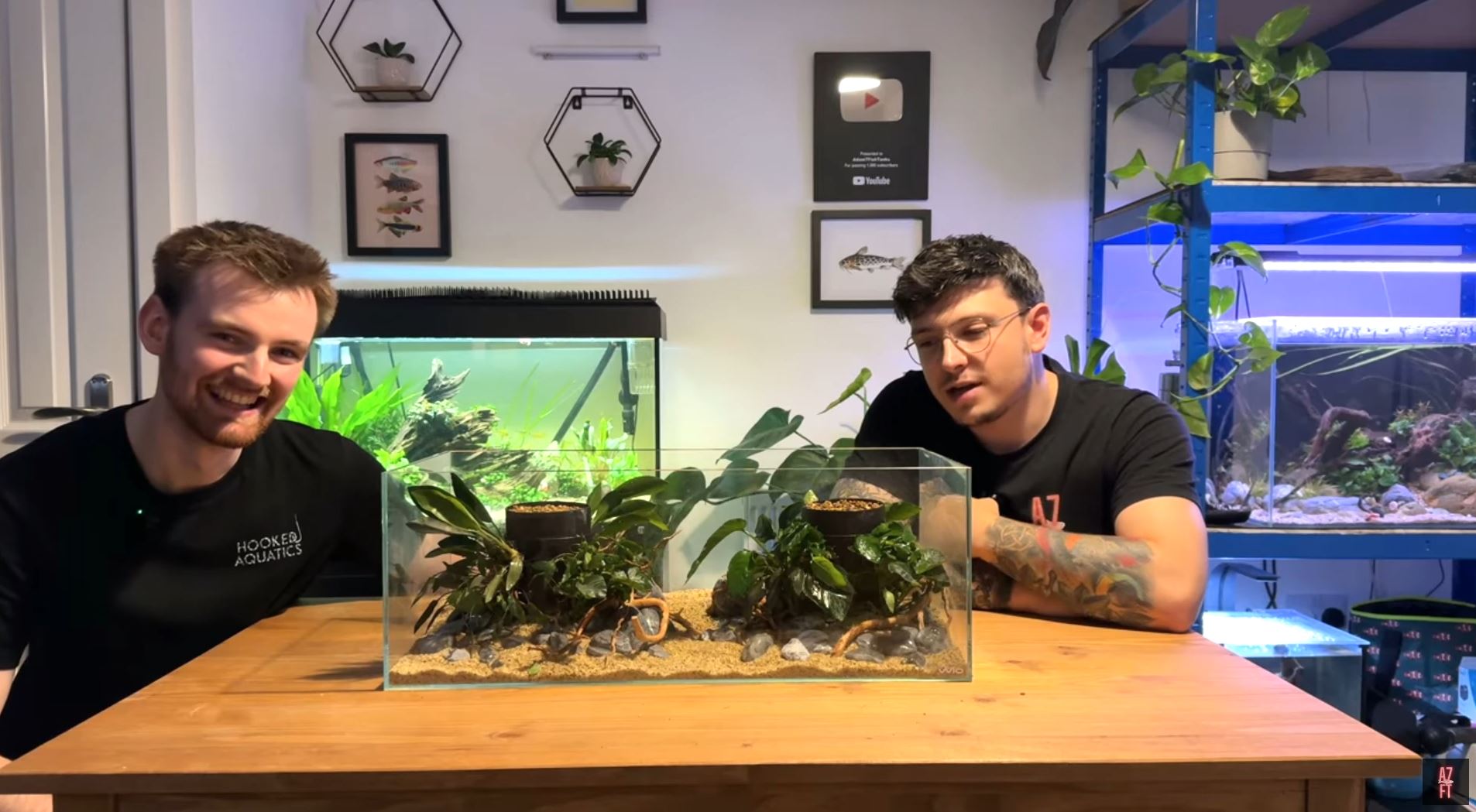
Seven Years In, and This Changed How I Build Aquariums | Case Study